I spent a month flying like a broke college student so you don't have to. And I'm here to tell you that most budget airline hacks are complete garbage.
There, I said it. The internet is drowning in "genius" travel tips from people who apparently have never actually stood in a Ryanair boarding queue at 6 a.m. with a hangover and a bag that's two centimeters too big. I decided to test these so-called money-saving hacks for a full month across multiple budget airline flights—think Ryanair, easyJet, Spirit, and a truly regrettable 5 a.m. Wizz Air situation. Some of these tips saved me real cash. Others were absolute nonsense that cost me time, dignity, and one very expensive airport sandwich.
Here's the unfiltered truth about budget airline hacks and which ones are actually worth your energy.
The "Personal Item Only" Religion Is Real—But It Has a Dark Side
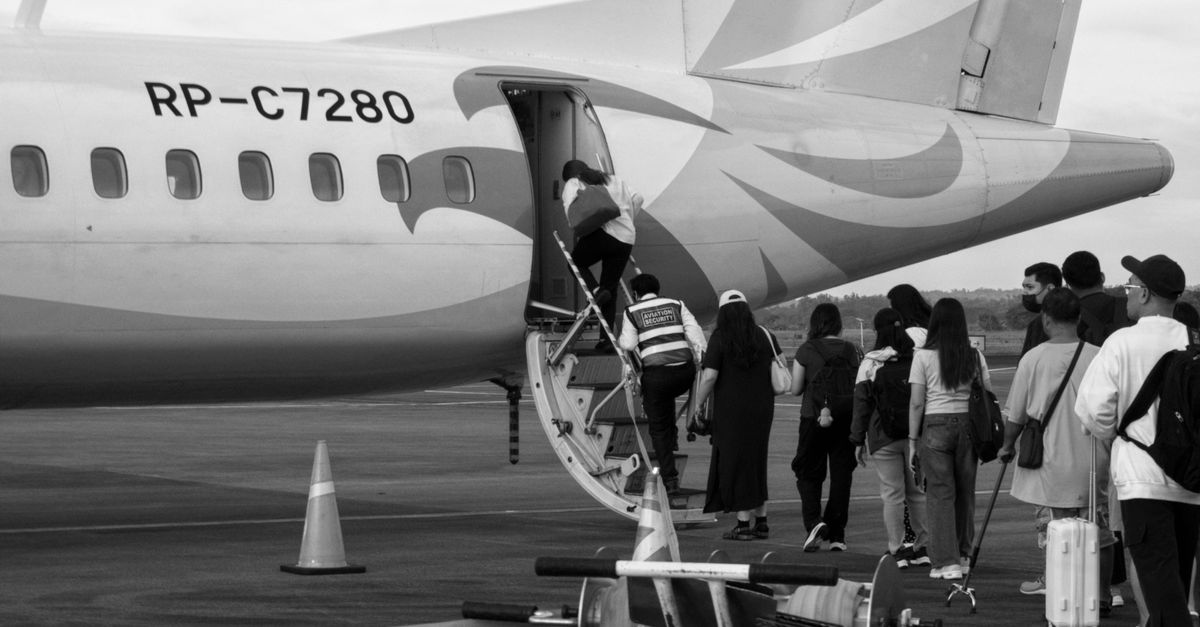
Let's be honest: the single biggest way budget airlines make money is by charging you for luggage. A "cheap" $30 flight can balloon to $150 the second you add a checked bag. So the number one hack everyone screams about is traveling with only a personal item.
I did it. For a month. With one backpack.
Did it save money? Absolutely. I'm talking hundreds of dollars across four trips. But here's what most people miss: the personal item hack only works if you're ruthless about what you actually need. My first attempt had me wearing the same shirt three days in a row and hand-washing underwear in a hotel sink like some kind of travel gremlin. Not glamorous. But effective.
The trick that actually worked was investing in a backpack that perfectly matches the airline's sizer dimensions—mine was a 40x20x25cm bag that slid into Ryanair's metal cage without a single batted eyelash. Buy the bag that fits the sizer, not the bag you wish fit the sizer. That $25 backpack saved me roughly $180 in baggage fees over the month. Math doesn't lie.
Priority Boarding Is a Scam (Unless You're Me)
I've found that priority boarding is one of the most aggressively upsold add-ons in budget airline history. They want you to believe that without it, you'll be forced to check your carry-on at the gate and pay a fee.
Guess what? I skipped priority boarding every single time and never once had my bag taken. Why? Because I boarded early enough in the queue by simply being at the gate on time instead of lingering at the duty-free shop. The real hack isn't paying for priority—it's paying attention. Show up when boarding starts and you're fine.
That said, there's one scenario where priority boarding genuinely pays: if you're flying with a larger carry-on that's borderline on size. Paying $10 for priority beats paying $60 at the gate. Know your bag, know your risk.

The Airport Food Trap and the Water Bottle Revelation
Okay, this one made me feel stupid. I've been buying $4 bottles of water at airports for years like some kind of financially irresponsible raccoon. The hack? Bring an empty water bottle and fill it after security. Every airport has water fountains. This saved me maybe $30 over the month, which sounds small until you realize that's basically a whole extra flight on a budget carrier.
Airport food is where budget airlines really win, though. They know you're captive. I packed snacks—protein bars, nuts, a slightly sad banana—and avoided the $15 meal-deal trap entirely. Budget airline hacks aren't just about the ticket price—they're about refusing to spend money inside the airport bubble.
Here's what actually saved me the most money, ranked:
- Personal item backpack that matches the sizer — saved ~$180 in baggage fees
- Bringing my own snacks and empty water bottle — saved ~$40
- Booking flights on Tuesday afternoons — saved ~$60 versus weekend bookings
- Skipping seat selection — saved ~$25 (and I survived sitting in the middle seat, barely)
- Using a no-foreign-transaction-fee card — saved ~$15 in conversion charges
The seat selection thing deserves a mention. Everyone panics about getting separated from their travel companion. I've found that if you just don't pay and check in exactly 24 hours before, the algorithm usually seats you together anyway. Not guaranteed, but I batted 4 for 4. Let the algorithm do the work and keep your $25.
Booking Timing: The Hack Nobody Talks About
Here's where I'll get controversial again: the "book on Tuesday at 3 p.m." advice is mostly myth. I tested it. I tracked prices obsessively across a month—spreadsheets, incognito windows, the whole unhinged routine. The day of the week barely mattered. What mattered was how far in advance I booked and whether I was flexible on dates.
Flights booked 6-8 weeks out were consistently cheaper than last-minute grabs. And flying on a Wednesday instead of a Friday saved me an average of $40 per route. That's the real budget airline money-saving strategy: flexibility beats timing superstition every single time.
Let's be honest—if you can shift your trip by one day, you've already won.

What Actually Saved Me Money (And What Was a Waste)
After a month of testing, here's my honest scorecard. The personal item only approach was the undisputed champion—nothing else came close. Bringing my own food and water was a quiet winner. Flexible dates saved real money. And skipping every single upsell at checkout? That was the mindset shift that mattered most.
What flopped? Priority boarding (unnecessary), seat selection (waste of cash), and pretty much every "insider trick" that involved signing up for a subscription loyalty program I'll never use again.
The biggest lesson? Budget airline hacks work best when they're about subtracting, not adding. Every add-on is a trap. Every "convenience fee" is a choice. The people who fly cheap aren't magical—they're just disciplined about saying no.
So here's my challenge to you: next time you book a budget flight, strip it down to the absolute bare bones. No bags, no seats, no priority, no snacks. Just you, your perfectly-sized backpack, and a water bottle. See how much you actually save. Then tell me I'm wrong.
I dare you.